12 February 2026 | By: Prof. Savvas Papagiannidis, Dr Davit Marikyan, and Dr Dinara Davlembayeva | 4 min read
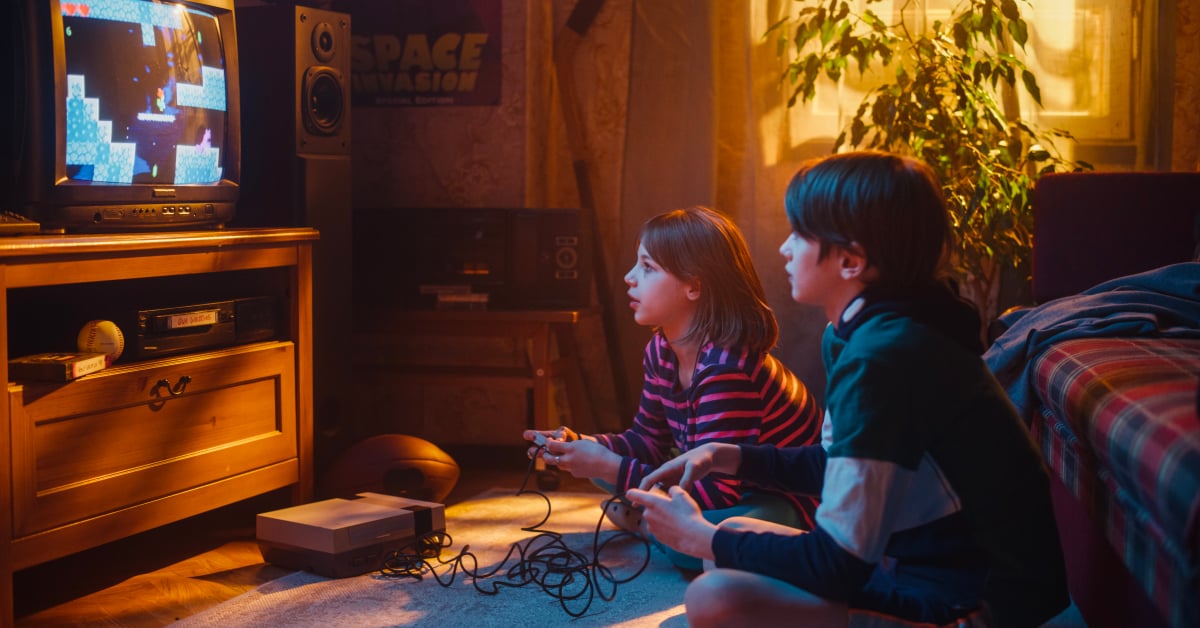
Why is retro gaming on the rise, and what makes it appealing to both long-time gamers and newer audiences?
Lately, the gaming industry has been intensifying its focus on the retro gaming market, much to the enjoyment of audiences who feel nostalgic about the past. Compared to 2024, more than 30% more retro consoles were sold in 2025. The past has re-emerged in the design of new games, remakes, and remasters, as well as in the ‘replayability’ of old hardware and marketing references to classic games. With the current rate of retro mania in the gaming industry, the market is expected to double within the next eight years.
Prof Savvas Papagiannidis, Dr Davit Marikyan, and Dr Dinara Davlembayeva of Newcastle University Business School explore the concept of retro gaming, the role of nostalgia, and the psychology of gamers that is likely to be driving the growth of the retro gaming market.
Contents:
- What is retro gaming?
- Nostalgia as an appeal to retro games
- Are all gamers prone to nostalgia?
- How to evoke nostalgia to drive retro gaming
What is retro gaming?
Retro gaming refers to playing, collecting, and engaging with older video games and gaming technologies, as well as their contemporary reinterpretations. This includes original hardware and software, such as cartridges, discs, and early consoles, but also remade and remastered titles designed for modern platforms. Popular examples include remakes of long-running franchises, high-definition remasters of classic titles, and 'retro-inspired' games that deliberately emulate older visual styles, mechanics, or sound design.
Retro gaming is not about old games in strict terms. It is about recreating the old feeling or making it feel like a game is old through familiar mechanics, recognisable aesthetics, and gameplay. As such, a wide range of practices keep the retro gaming market thriving.
Some practices focus on the preservation of hardware and software in digital libraries and in their original physical form, so that time does not corrupt them. Other approaches concern the modernisation of games to keep them intact, with minor to major improvements such as restoring hardware or making software compatible with modern devices through emulation. For example, Super Mario Bros. titles have been remastered for modern devices and remade in later franchises, building and reinterpreting the game to appeal to new audiences while keeping the title character intact.
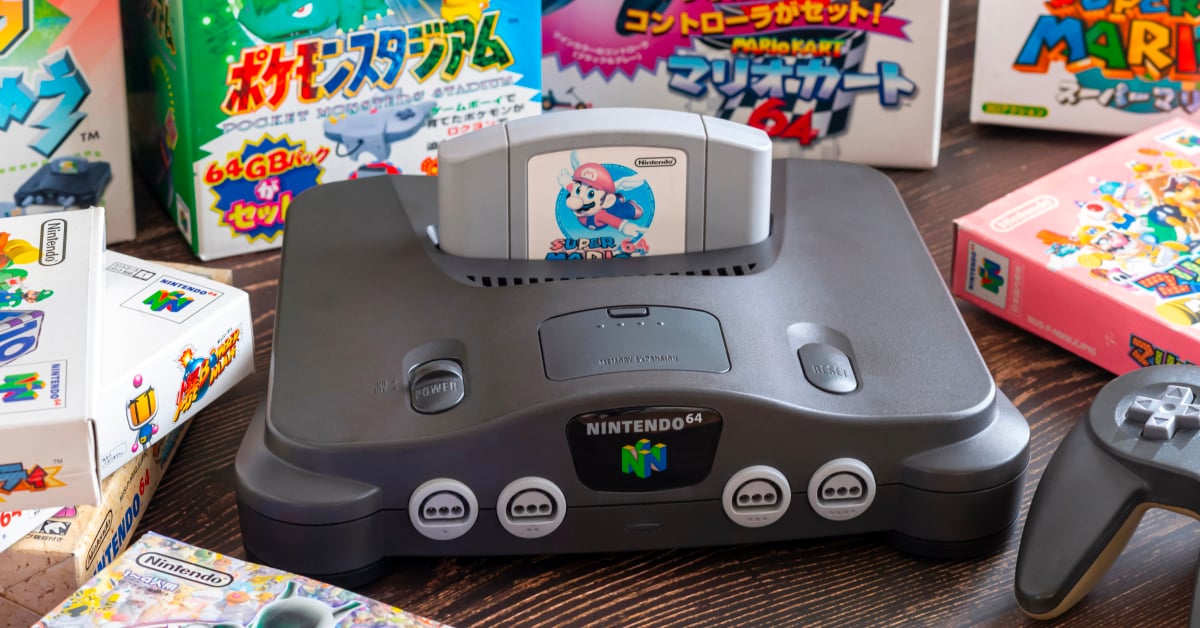
The Nintendo 64 was a popular games console first sold in 1996.
Nostalgia as an appeal to retro games
Our study – titled ‘Back to the Time When the Grass Was Greener (and Buster Bunny Was Fluffier): A Study of Retro-game-evoked Nostalgia and Its Role in Gamers’ Behaviour’ – shows that nostalgia lies at the core of retro gaming. Nostalgic feelings, combined with enjoyment, significantly shape positive gaming experiences and encourage both active participation (playing, purchasing, community involvement) and passive engagement (watching gameplay, revisiting memories, or following retro-focused content).
Nostalgia is a feeling of longing for the past. The emotion is bittersweet because the reminder of the past is emotional, but the past cannot be returned to. Gamers feel comfort in the sadness: as if they are returning home, where it was safer, simpler, and more meaningful.
'A retro game is a teleport to past selves, people, and environments that bring memories of childhood, adolescence, or social experiences.' Prof Savvas Papagiannidis
But why does nostalgia have such a powerful appeal?
The answer is because nostalgia is not simply an emotion. It is a psychological tool restoring social, self-oriented and existential resources. Social resources are important for social functioning; they can be in the form of social support, perceptions of the social environment and bonds to a community. Self-oriented resources are feelings of self-esteem and motivation that define the perception of oneself. Existential resources are psychological states that help individuals make sense of their life purpose and personal identity.
When individuals feel deficiencies in one or several resources at present, nostalgic experiences can evoke memories where those resources were not lacking. Individuals are momentarily reliving a time when they felt complete and better across different life domains.
Are all gamers prone to nostalgia?
Not everyone experiences nostalgia when playing classic games. Our research suggests that individuals differ in their tendency to feel nostalgic and in the conditions that trigger such feelings. Retro gaming is particularly appealing when players experience certain challenges associated with self-perception in time and space, social needs, and existential problems.
Players feel nostalgia when they need detachment from reality and refuge in games that offer fun and enjoyment. They may feel unfulfilled in their current lives, or seek achievement, and are therefore more likely to experience nostalgia evoked by retro-game encounters.
Another state conducive to experiencing nostalgia is the perception of social uncertainty. During moments of instability, individuals seek comfort in familiar gaming experiences that bring them back to a time when ways of life were simpler and more predictable.
The third condition of nostalgia is when players experience existential problems of losing their identity and feeling bored. Revisiting familiar games helps players build a bridge between their present and past selves and reminds them of who they were and what they aspired to become. It is a way to reassure oneself that time has not changed one’s personality, ideals, values, and goals. When individuals feel unchallenged in life, mastering mechanics and completing levels in retro games buffers this state by providing a sense of progression and control.

Playing games from childhood can help build a bridge between the past and current self.
How to evoke nostalgia to drive retro gaming
As nostalgia plays such a central role in retro gaming experience, there are ways game developers can leverage feelings of nostalgia that can be rewarding both for gamers and developers alike:
-
Retro games could address players’ psychological needs rather than relying solely on surface-level references. Nostalgic storytelling, familiar characters, and historical cues can provide emotional anchors, but they need to be meaningfully integrated into gameplay experiences that offer challenge, immersion, and reward.
-
Developers could balance preservation and innovation. Respecting original titles by maintaining core mechanics, visual identity, and narrative style helps sustain authenticity. At the same time, modern improvements such as accessibility options and technical enhancements can broaden the appeal without undermining nostalgic value.
-
Continuity matters. Long-running franchises benefit from maintaining symbolic links across iterations, allowing players to follow evolving narratives and identities while retaining a sense of legacy. This strengthens self-continuity and long-term engagement.
-
Community involvement is essential. Retro gaming thrives in participatory ecosystems where players co-create meaning through mods, fan art, discussions, and shared memories. Supporting these communities fosters deeper emotional investment and extends the lifecycle of retro titles beyond individual play sessions.
You might also like
-
read more about the drivers and the consequences of nostalgia in retro gaming: Chari, S., Papagiannidis, S., Marikyan, D. and Davlembayeva, D. (2026), Back to the Time When the Grass Was Greener (and Buster Bunny Was Fluffier): A Study of Retro-game-evoked Nostalgia and Its Role in Gamers’ Behaviour. Br. J. Manag., 37: e70015. https://doi.org/10.1111/1467-8551.70015
-
find out more about the Newcastle University research team:
-
Professor Savvas Papagiannidis, Interim Deputy Dean and Professor of Information Systems, Digital Innovation and Transformation, Newcastle University Business School
-
Dr Davit Marikyan, Senior Lecturer in Information Systems, Newcastle University Business School
-
Dr Dinara Davlembayeva, Lecturer in Digital Business, Newcastle University Business School
-
-
explore our projects on digital business and information systems management
-
read the blog: Are virtual influencers the future of influencer marketing?
-
discover more cutting-edge research from our globally-renowned business school
